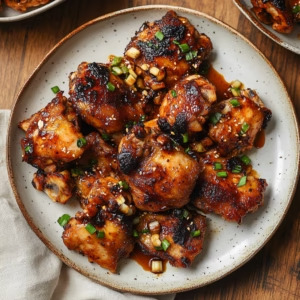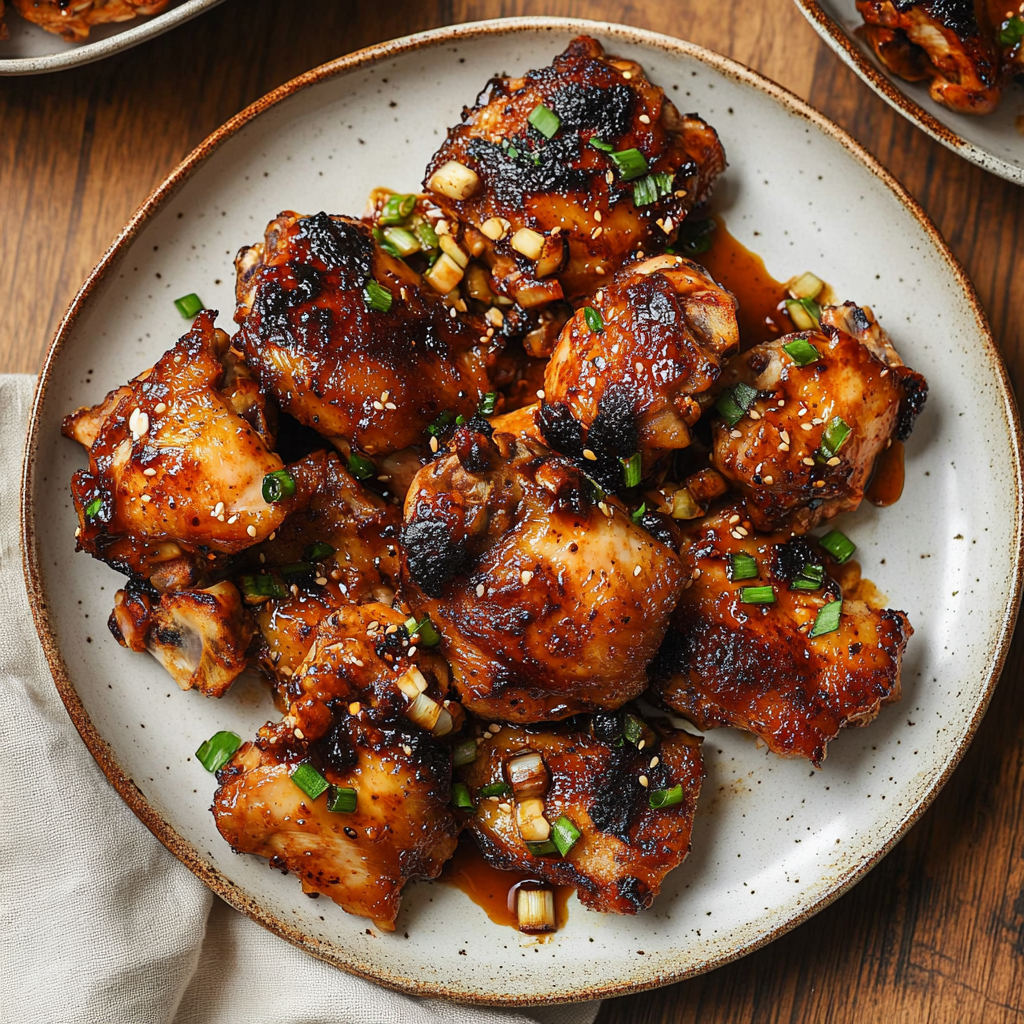
Sheet Pan Gochujang Chicken Thighs are the flavor-packed, effortless solution to a weeknight dinner that still feels celebratory. Infused with the smoky-sweet heat of gochujang and finished with a golden-brown roast on a sheet pan, these thighs pair perfectly with charred cauliflower and caramelized shallots. Whether you’re feeding a family or just craving something comforting, this dish balances bold Korean-inspired spice with crispy, oven-seared textures all in one pan.
What makes these chicken thighs shine isn’t just the marinade—it’s the lazy-one-pan approach that transforms mundane weeknight meals into effortless culinary magic. The gochujang glaze creates sticky edges that crackle with spice, while the sheet pan veggies caramelize from the chicken’s juices. This recipe skips complicated steps (think no need for basting or flipping), relying instead on the oven’s steady heat to work its charm. It’s the kind of dish you’ll want to make again and again, ideally while reminiscing about Sunday family dinners around a warm kitchen table.
What is Sheet Pan Gochujang Chicken Thighs?
This modern comfort food recipe marries Korean flavors with American convenience. Gochujang is a fermented Korean chili paste known for its umami depth and gentle heat, often used in stews and glazes. Here, it’s combined with soy sauce, honey, and sesame oil into a bold marinade that seeps into every crevice of the chicken thighs. The result? Meaty, fall-off-the-bone thighs with a lacquered crust that gets crispier under the broiler. The sheet pan method means all flavors meld together with roasted cauliflower and shallots, creating a one-dish meal that’s equal parts nourishing and indulgent.
Rooted in Korean culinary traditions but made accessible for home cooks, these thighs adapt global techniques into a familiar format. The simplicity of sheet pan cooking strips away the stress of multi-pan juggling, making it perfect for anyone who loves big flavors without big effort. Think of it as a Korean-American fusion dish designed for real-life kitchens, where “done in 25 minutes” is the ultimate flexibility win.
Reasons to Try Sheet Pan Gochujang Chicken Thighs
If you’re short on time but long on hunger, sheet pan cooking is your culinary shortcut. This recipe takes just 5 minutes to prep, 20 minutes to roast, and requires minimal clean-up. It’s ideal for busy weeknights, potlucks, or even a relaxed weekend family dinner. The bold gochujang flavor adds restaurant-quality drama without complicated steps, and the roasted veggies mean you’re getting fiber and nutrients at the same time. No need to chase a 30-minute marinating schedule—in this recipe, thirty minutes includes searing and reheating your seeds of success.
Beginners will love the forgiving nature of sheet pan cooking—no precise knife skills or strict timing rules are required. Families can enjoy the meaty chicken thighs alongside the roasted cauliflower, while vegetarians can up the veggie portion and declare it a main dish. These thighs are also remarkably versatile: slap them on rice, serve with noodles, or embrace the messy glory of eating them directly from the sheet pan. Truly, it’s a dish that believes in keeping life simple while still delivering lush, memorable flavors.
Ingredients Needed to Make Sheet Pan Gochujang Chicken Thighs
- 3/4 cup gochujang paste
- 4 tbsp hot honey
- 3 tbsp soy sauce
- 4 tbsp olive oil
- 1 tbsp toasted sesame oil
- 4 boneless chicken thighs
- 1 head cauliflower, cut into large florets
- 4 large shallots, halved
- 1 tsp kosher salt
- Scallions, thinly sliced (for garnish)
Instructions to Make Sheet Pan Gochujang Chicken Thighs – Step by Step
Step 1: Start by preheating your oven to 425°F. Grab a large mixing bowl and combine the gochujang paste, hot honey, soy sauce, olive oil, and sesame oil. Adjust the bowl height to your convenience—this is your marinade station. Add the chicken thighs to the bowl and toss them until each piece is coated in the sticky, amber-colored sauce. This step is like wrapping the chicken in a warm, aromatic blanket; let it marinate covered for at least an hour or up to six hours. The longer it rests, the deeper the flavor penetration.
Step 2: While the chicken sweet-talks with the marinade, prep the sheet pan. Lightly grease a large baking sheet with oil or a spritz of nonstick spray. Layer the chicken, cauliflower florets, and shallot halves in a single layer. The key is space—try to avoid crowding the ingredients so each piece gets charred, not steamed. Drizzle the remaining marinade over the sheet pan (yes, every last drop) and use your hands to gently press it into the veggies. Sprinkle the salt evenly and give the tray a firm shake to redistribute, ensuring the chicken and veggies make friendly contact.
Step 3: Slide the sheet pan into the hot oven and let the magic unfold for 20–25 minutes. During this time, the chicken will begin to roast to fall-off-the-bone deliciousness, its edges caramelizing into a sticky crust. The cauliflower takes this journey too, turning from white to a golden-brown shade, and the shallots will caramelize into sweet, sugary rings. Don’t panic if the chicken seems slightly underdone at this point—that’s where the next step comes in.
Step 4: Once the chicken reaches an internal temperature of 165°F, crank up the drama. Turn on the broiler to high and position the sheet pan on the top rack. Keep a close eye on it as you broil for 2–3 minutes. This final blast of heat turns the chicken’s exterior into a lacquered, crackling masterpiece. Once done, remove the pan and let the dish rest for 2–3 minutes. This pause allows the juices to redistribute, so when you slice into the meat, it stays tender and moist.
Step 5: Divide the chicken thighs, along with their harvested vegetables, onto serving plates. Garnish with a few thinly sliced scallions for a hit of freshness. These can be served directly from the sheet pan for a casual vibe or paired with rice or noodles for a more substantial meal. Either way, you’ll notice how the chicken and veggies work in unison—bold, balanced, and practically begging for seconds.
Chef’s Tips for a Perfect Result
- Don’t skimp on the marinating time—the gochujang needs at least an hour to soften into the chicken’s fibers.
- Use a rimmed baking sheet to contain messy dripping and prevent sauces from escaping the pan.
- Broiling is a must for achieving that sticky-crisp finish; use a timer to avoid burning.
- Add 1/2 tbsp of miso paste to the marinade for an extra layer of savory depth.
- If the veggies cook faster than the chicken, remove them first and keep warm on a serving platter.
- For a spicy boost, drizzle a few drops of gochujang over the finished dish before plating.
Variations and Substitutions
Vegan Option: Replace chicken with extra-firm tofu marinated for 2–3 hours. The same gochujang glaze clings beautifully to firm textures.
Gluten-Free Alternative: Use tamari in place of soy sauce, and verify that the gochujang brand is gluten-free (some traditional pastes contain wheat).
Low-Carb Version: Skip the cauliflower and serve with sautéed green beans or asparagus for a veggie swap.
Budget Swap: Use gluten-free tamari and homemade gochujang (made by blending fermented chili flakes, soy sauce, and a touch of honey).
High-Protein Boost: Add cubed sweet potatoes to the pan for a hearty, fiber-rich addition.
How to Serve and Pair
Serve these thighs as a main dish over jasmine rice to soak up the bold flavors. For a cozy twist, nestle the pieces into ramen bowls with soft-boiled eggs and pickled radishes. Alternatively, pair the dish with miso soup for a full Korean-inspired feast. Presentation-wise, arrange the chicken so the crispy edges sit visible on the plate, garnish with sesame seeds and scallions, and serve with bamboo chopsticks for authenticity. This dish works wonders at weekend cookouts, potlucks, or even a quiet dinner-for-two—just the kind of meal that turns a regular evening into something special.
Storage and Reheating
Refrigerator: Store leftovers in an airtight container for up to 3 days. The chicken may soften slightly, but the marinade flavors will deepen. Reheat in the oven at 350°F for 10–15 minutes to restore crunch.
Freezer: Freeze individual portions in airtight bags for up to 3 months. Thaw in the fridge overnight before reheating.
Room Temperature: If marinating the dish, keep it in the fridge, not on the counter. A 2-day room-temperature rest is highly inadvisable.
Reheating: Avoid microwaving; it dulls the crispy edges. For best results, reheat in a 300°F oven until warmed through. To revive the broiled crisp, finish under the broiler for 1 minute.
Nutritional Values
- Calories: 528kcal
- Protein: 23g
- Carbohydrates: 8g
- Fat: 23g
- Fiber: 4g
Approximate values.
Frequently Asked Questions
Can I substitute gochujang with another sauce?
For a similar umami-sweet heat, replace with 1/2 cup sriracha mixed with 2 tbsp brown sugar. The flavor curve will shift, but the result remains bold.
How do I know the chicken is fully cooked?
The thickest part should read 165°F on a meat thermometer, and the juices should run clear. Thick thighs take longer than thin ones, so always check for doneness early.
Why did my chicken come out dry?
Over-broiling is often the culprit—stick to 2–3 minutes max. Also ensure the chicken wasn’t marinated for longer than 6 hours, as enzymes in gochujang can break down meat too much.
Can I prep this in advance?
Yes! Marinate the chicken the night before and refrigerate. Assemble the pan 30 minutes before baking to ensure even roasting.
What sides go best with this dish?
White rice, garlic noodles, or crispy Brussels sprouts. Match the heat with cooling sides like cucumber kimchi or a house-pickled radish garnish.
Conclusion
Sheet Pan Gochujang Chicken Thighs are a sizzling, one-pan wonder that proves bold flavors require minimal effort. With smoky sweetness, charred textures, and effortless pan-roasting, these thighs define comfort food done right. Try them on a weeknight, and you’ll rethink what “quick dinner” can deliver—all it takes is one sticky-bright bite to start craving them again.
Print
Sheet Pan Gochujang Chicken Thighs
- Prep Time: 15
- Cook Time: 30
- Total Time: 45
- Yield: 4 servings 1x
- Category: dinner
- Method: Roasting
- Cuisine: Korean-American
Description
Crispy, smoky-sweet Korean-inspired chicken thighs glazed with gochujang, roasted with charred cauliflower and caramelized shallots on a single sheet pan. A bold, one-pan meal that’s easy and family-friendly.
Ingredients
6 bone-in chicken thighs
3 tablespoons gochujang paste
2 tablespoons soy sauce (low sodium recommended)
2 tablespoons honey
1 tablespoon sesame oil
2 cloves garlic, minced
1 head cauliflower (about 2 pounds), cut into florets
2 shallots, sliced
1 teaspoon sesame seeds (for garnish)
Optional: 2 tablespoons olive oil (if pan needs extra moisture)
Optional: Green onions or red chili flakes for garnish
Instructions
Preheat oven to 425°F (220°C)
In a bowl, mix gochujang, soy sauce, honey, sesame oil, and minced garlic to create the marinade
Place chicken thighs in a large resevoir, pour marinade over them, and toss to coat. Let marinate for 15–30 minutes
Arrange chicken thighs on a large baking sheet. Toss cauliflower and shallots with 1–2 tablespoons marinade and spread around the chicken
Place in oven and roast for 25–30 minutes, until chicken is golden and juices run clear, and veggies are caramelized
Optionally, broil for 2–3 minutes to enhance the glaze’s stickiness. Garnish with sesame seeds and green onions
Notes
For extra crispiness, pat chicken dry before roasting
Variation: Swap shallots with onions or add bok choy for a thicker roast
Marinate longer for deeper flavor (up to overnight in fridge)
Stored in an airtight container for 3–4 days in the refrigerator
Nutrition
- Serving Size: 1 serving (1.5 chicken thighs + 1 cup veggies)
- Calories: 450
- Sugar: 8g
- Sodium: 300mg
- Fat: 20g
- Saturated Fat: 5g
- Carbohydrates: 15g
- Fiber: 3g
- Protein: 35g
- Cholesterol: 110mg